Comprehensive Wildlife Control: Safeguarding Your Property Naturally
Complete pest wildlife management delivers a holistic method for addressing common intruders on private properties. By employing natural and humane methods, homeowners can efficiently repel animals while preserving local ecosystems. Recognizing the behaviors of these creatures is essential for implementing successful solutions. As homeowners pursue remedies, questions surface about the best available methods and the importance of coexistence. What practical steps can be implemented to secure security while respecting local wildlife?
Frequent Wildlife Trespassers and Their Patterns
When residents deal with wildlife invaders, recognizing their habits is essential for successful management. Typical wildlife invaders consist of raccoons, squirrels, skunks, and deer, each exhibiting distinct behaviors that can impact residential areas. Raccoons are nocturnal and often forage for food in garbage cans, displaying dexterity that allows them to open containers. Squirrels, known for their agility, can easily access attics and roofs, motivated by the search for nesting sites or food. Skunks, despite being largely peaceful, may create disturbances when burrowing through yards for insects or grubs. Deer, drawn to gardens and landscaping, may cause significant damage as they feed on foliage. By understanding these tendencies, property owners can more accurately foresee intrusions and equip themselves for likely wildlife confrontations, laying the groundwork for effective management strategies. Recognizing the individual tendencies of these animals is key to sustaining a harmonious relationship with local wildlife.
Key Methods for Successful Wildlife Management
Effective wildlife control requires a comprehensive approach that includes environmental modification methods, natural preventatives and repellents, and safe trapping methods. These strategies see now work to minimize human-wildlife conflicts while promoting a balanced ecosystem. Recognizing and utilizing these approaches can lead to effective solutions for addressing wildlife intrusions.
Environmental Modification Methods
A variety of environmental modification techniques can considerably limit wildlife-related issues in urban and suburban environments. By changing the landscape, residents can make their spaces less inviting to unwanted animals. This includes minimizing food sources by properly securing trash, employing bird feeders that discourage larger animals, and clearing away dropped fruit or animal feed. Moreover, decreasing available shelter is necessary; managing dense vegetation and sealing building openings can reduce nesting opportunities. Water sources should be managed by eliminating standing water, which draws in numerous wildlife species. Implementing these strategies not only safeguards properties but also supports a well-balanced ecosystem, letting wildlife flourish within their natural habitats while reducing interactions between humans and wildlife.
Organic Deterrents and Repellents
Natural deterrents and repellents are fundamental in addressing wildlife activity in residential areas. These techniques employ natural substances to form barriers that keep animals away from properties. Frequent copyrightples encompass predator urine, citrus aromas, or vinegar, all of which can discourage animals like raccoons, deer, and rodents. Furthermore, growing particular herbs such as mint or lavender can ward off pests while improving the surrounding landscape. Sound- and light-emitting motion-activated devices can prove equally effective, offering a humane approach to deterring wildlife. The effectiveness of these strategies often depends on the specific species being targeted and the environment in which they are applied. Implementing these natural options fosters a harmonious coexistence between humans and wildlife.
Safe Trapping Methods
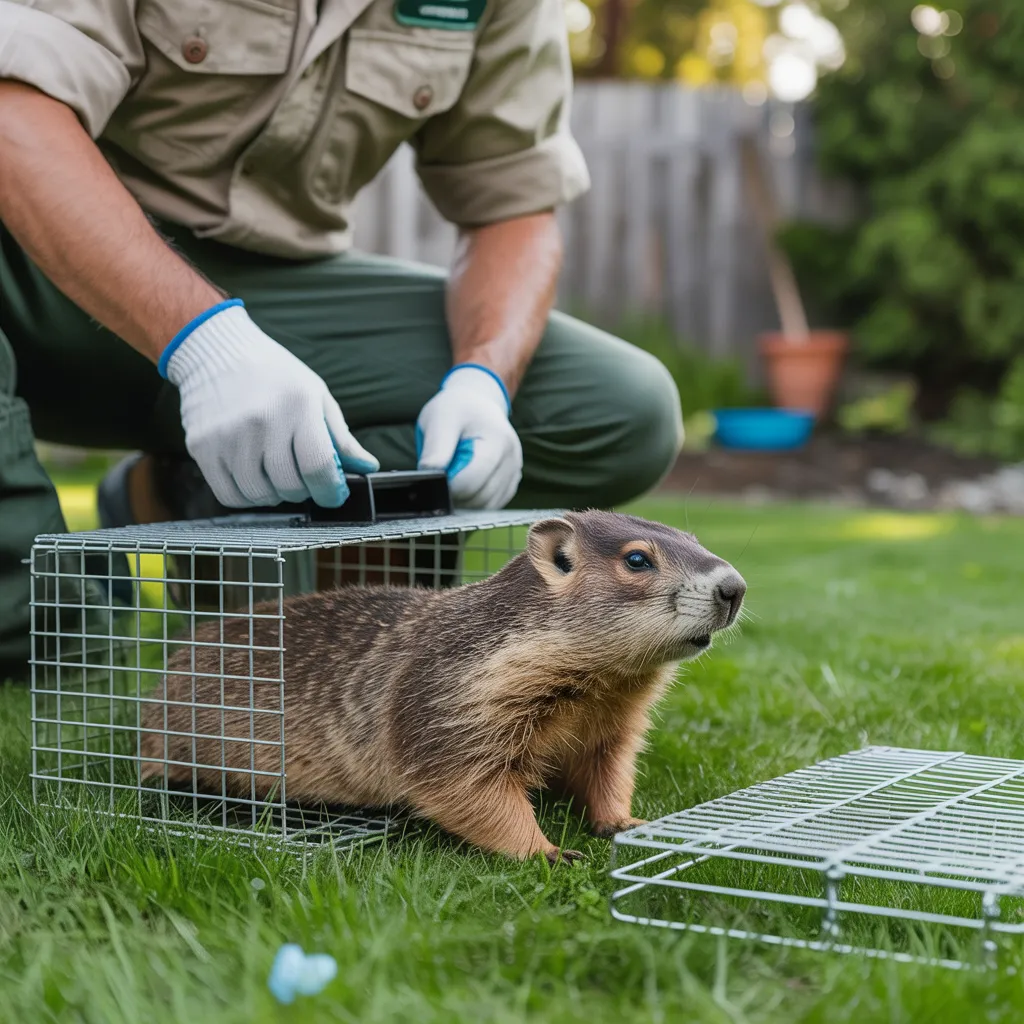
Safe trapping methods are essential for responsible wildlife control, safeguarding the well-being of both humans and wildlife. The best practices emphasize using humane traps designed to limit stress and injury to animals. Non-lethal live traps, crafted to capture without causing harm, permit safe animal relocation, while snap traps can quickly and humanely dispatch smaller pests. Strategic bait selection ensures target species are attracted while minimizing risks to unintended animals. Regular trap inspections are necessary to avoid extended animal confinement. Furthermore, positioning traps in key areas, including near entry points or feeding zones, greatly improves their success rate. Above all, following local guidelines concerning trapping and wildlife relocation is critically important, promoting ethical practices and ensuring compliance with wildlife protection laws. Such techniques support a well-rounded strategy for controlling wildlife populations.
Why Humane Approaches Are Essential in Wildlife Management
While wildlife management frequently requires challenging choices, emphasizing humane approaches is crucial for cultivating a harmonious ecosystem. Humane approaches not only minimize suffering but also promote coexistence between humans and wildlife. Through the use of non-lethal strategies, including relocation and habitat alteration, wildlife managers can minimize conflicts while safeguarding animal welfare.
Moreover, humane methods contribute to community backing and favorable public perception. When individuals perceive wildlife management as ethical and compassionate, they show greater willingness to contribute to preservation efforts and champion local projects. These methods additionally preserve ecological diversity, as they empower natural populations to grow without unwarranted interruption.
Ultimately, prioritizing compassionate practices in wildlife management cultivates a more profound understanding of natural ecosystems. This perspective reinforces the notion that humans and wildlife can exist in balance, encouraging reverence for wildlife while thoughtfully resolving tensions that may develop in common spaces.
Effective Strategies for Wildlife Control
When considering wildlife control, proven methods involve habitat modification techniques and the use of naturally derived deterrents and repellents. These techniques work to reduce human-wildlife conflicts while supporting a balanced ecosystem. By adopting these strategies, neighborhoods can develop a more peaceful cohabitation with native wildlife populations.
Habitat Adjustment Strategies
Modifying habitats serves as a forward-thinking approach to animal management, markedly reducing the probability of unwanted animal encounters. By altering the environment, homeowners can limit the elements that attract animals. For instance, storing garbage in wildlife-resistant bins and eliminating stagnant water can deter pests. Additionally, trimming overgrown vegetation and sealing entry points in buildings assists in eliminating potential nesting sites. Creating physical barriers, such as fencing, can help minimize wildlife access to outdoor spaces or lawns. Implementing these strategies not only secures property but also supports a balanced environment, enabling local species to flourish while keeping unwanted animals at bay. Overall, environmental adjustment successfully promotes a more secure and balanced living environment for people and animals alike.
Natural Repellents and Deterrents
Modifying the habitat establishes a basis for successful wildlife management, but pairing these measures with natural deterrents and repellents can significantly boost defense against unwanted animals. Various natural substances serve as effective barriers against common pests. For instance, strong scents like peppermint oil, vinegar, and citrus can deter rodents and insects. Additionally, the use of predator urine, available commercially, can discourage smaller wildlife by signaling the presence of a natural threat. Cultivating particular herbs, including lavender or basil, may further aid in deterring unwanted animal visitors. Incorporating motion-activated devices that emit sounds or lights can effectively frighten animals away. By utilizing these natural methods, property owners can create a less inviting environment for wildlife, reducing the likelihood of intrusions while remaining eco-friendly.
Establishing a Secure Space for Wildlife and Your Home
Establishing a secure setting for wildlife and residential properties demands a thoughtful method that addresses the needs of both. Property owners can implement measures that encourage harmonious living while protecting residential spaces. This encompasses fastening garbage containers and compost areas to prevent uninvited animals, as well as incorporating indigenous plants into yard design, which offer organic shelters for local wildlife.
Proper fencing can also create boundaries that protect gardens without harming animals. Incorporating birdhouses and bat boxes enhances biodiversity while benefiting homeowners through natural pest control.
Moreover, reducing chemical pesticide application promotes a healthier ecological system, providing benefits for both people and local wildlife. Ongoing maintenance of buildings, such as closing gaps and fixing screens, further discourages the entry of animals.
When You Should Seek Professional Assistance for Wildlife Control
When is it appropriate for homeowners to pursue expert help with wildlife control? If a homeowner encounters wildlife that poses a health risk, including raccoons or bats, it is vital to seek expert assistance. Additionally, when animals begin nesting in attics, walls, or basements, seeking professional help is wise to protect the home from damage. Signs of persistent wildlife activity, like unusual noises or droppings, indicate the need for a specialist's evaluation.
Furthermore, when animal behavior becomes aggressive or when a homeowner is unsure of proper removal techniques, reaching out to professionals is necessary. Wildlife control experts possess the knowledge, tools, and experience to handle various species humanely and effectively. Additionally, regions that are home to protected or endangered species may necessitate special permits, making expert guidance essential for adhering to local regulations. Ultimately, recognizing these circumstances can help homeowners protect their property while maintaining a safe environment.

Common Questions and Answers
How Can I Prevent Wildlife From Entering My Garden?
To keep wildlife from invading your garden, homeowners should erect durable fences, employ repellent products, practice good sanitation, secure trash, and choose vegetation that deters wildlife. Routine checks and changes can improve these preventive strategies significantly.
What Are the Indicators of a Wildlife Infestation?
Indicators of a wildlife problem consist of feces, damaged plants, nesting materials, tracks, and unexpected noises, including scratching or rustling disturbances. In addition, compromised structures or burrows may signal animals in search of shelter or food.
Do Natural Repellents Exist for Particular Animals?
Natural repellents do exist for particular animals. As an illustration, peppermint oil keeps rodents away, while cayenne pepper works to repel deer. Such techniques make use of smells or tastes that animals find disagreeable, working to keep them at a distance.
Do Wildlife Control Methods Pose a Risk to Pets?
Wildlife management strategies may pose risks to pets if not properly applied. Toxic substances, snares, and repellents could be harmful to household companions. Responsible pet owners should ensure that methods used are harmless and chemical-free to their beloved companions.
What Should I Do When I Find a Baby Animal?
If a person finds a baby animal, they should observe it from a distance to find out if the mother is nearby. If abandoned, contacting a local wildlife rehabilitator is recommended to provide the animal with the care and attention it needs.